

Overview
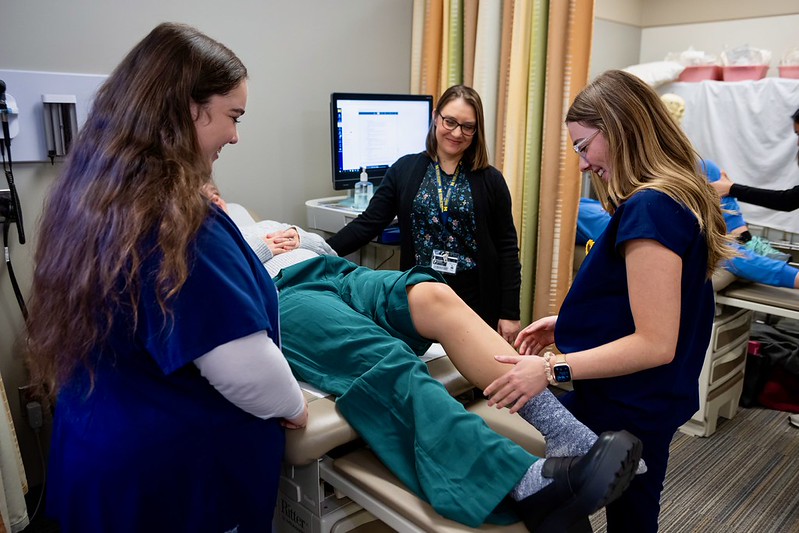
The Doctor of Nursing Practice (DNP) program at the University of Michigan School of Nursing is designed for nurses looking to lead transformative change in health care. As a DNP student, you’ll learn from nationally recognized faculty, gain hands-on experience in top-ranked clinical settings and develop the expertise to implement evidence-based solutions in complex health care environments.
With a wide network of interdisciplinary resources, the U-M DNP prepares you to advance nursing practice and drive meaningful impact in patient care and health care systems.
Is a DNP right for me?
If you’re ready to take your nursing career to the next level and lead change in health care, the DNP program could be the right fit. Whether you’re a BSN-prepared nurse looking to advance to the highest level of clinical practice or an MSN-prepared nurse aiming to expand your leadership and policy impact, our program provides a supportive environment and personalized mentorship from expert faculty.
Discover the U-M DNP Experience
Gain an in-depth look at the U-M School of Nursing’s DNP program through our Graduate Viewbook. This resource highlights our program’s clinical specialties, expert faculty, research opportunities and career outcomes—helping you find the right fit for your goals.

Explore our DNP Program
Our DNP program offers multiple pathways to fit your career goals:
I have a BSN (BSN to DNP)

Our BSN to DNP program offers a breadth of Advanced Practice Registered Nurse (APRN) specialties. We guarantee clinical placements that align with program requirements in support of your career aspirations.
Available Specialties:
Adult-Gerontology Acute Care Nurse Practitioner
Adult-Gerontology Primary Care Nurse Practitioner
I have an MSN (Post-Master’s DNP)

Our Post-Master’s DNP program is designed for advanced practice nurses and healthcare leaders who want to implement system-wide change and shape the future of nursing. Through web-blended coursework and faculty mentorship, you’ll develop expertise in healthcare policy, leadership, and evidence-based practice.