
Clinical Education for Students
Guaranteed Clinical Placements for U-M Nursing Students
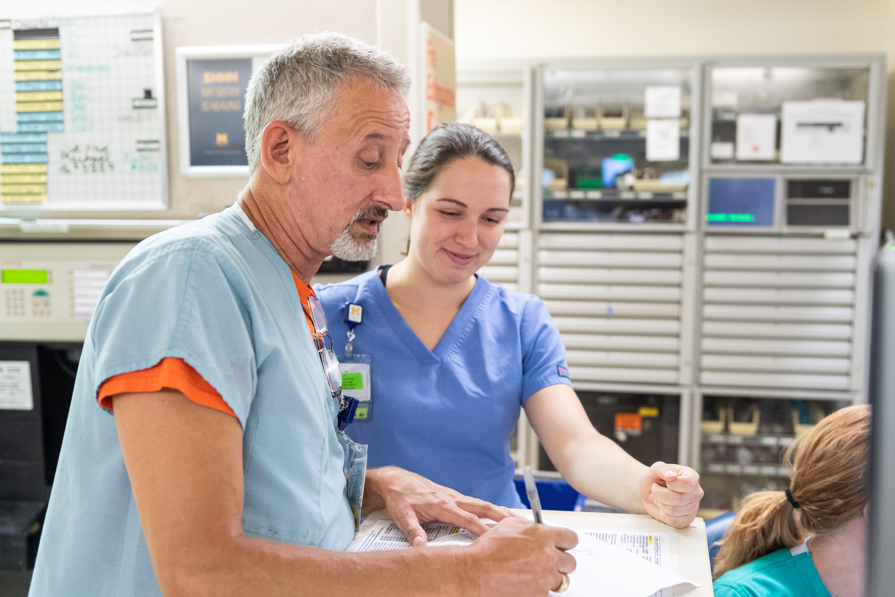
At the University of Michigan School of Nursing, we remove the stress of securing clinical placements—we guarantee them for all our students. With access to more than 600 clinical sites across Michigan and beyond, you’ll gain hands-on experience in top-ranked health systems, specialty clinics and community settings.
Diverse, High-Quality Clinical Learning Experiences
Your clinical education at U-M School of Nursing is designed to prepare you for real-world practice in a variety of settings, including:
- Major Health Systems & Hospitals – University of Michigan Health, Corewell Health, Trinity Health, Henry Ford Health System and more
- Veteran & Military Care – Veterans Administration Medical Center
- Community-Based & Specialty Clinics – Rural clinics, senior living communities and specialty care centers
Note: Students are responsible for their own transportation to clinical sites. Options such as rideshare services, carpooling or public transportation may be helpful depending on the placement location.
Why Choose U-M School of Nursing for Your Clinical Training?
- Guaranteed Placements – We secure your clinical sites so you can focus on learning.
- Diverse Practice Settings – Gain experience in urban hospitals, rural clinics and specialty areas such as pediatrics, acute care and midwifery.
- Faculty & Preceptor Support – Learn from expert faculty and clinical preceptors dedicated to your success.
Supporting Your Clinical Journey
We know clinical training is a critical part of your nursing education. At U-M School of Nursing, you’ll receive structured, hands-on learning in settings that align with your career goals. Whether you aspire to become a family nurse practitioner, nurse-midwife or acute care specialist, our robust clinical partnerships ensure you graduate ready to lead in patient care.
Learn more about what a U-M School of Nursing clinical experience looks like.
Precepting with U-M School of Nursing
What is a Preceptor?
Preceptors are experienced clinicians who bridge the gap between classroom learning and real-world nursing practice. They teach, support, coach and evaluate our graduate nursing students, serving as role models and mentors. By guiding students in clinical environments, preceptors help shape the next generation of advanced practice nurses.
Benefits of Precepting
Although we are unable to provide direct pay for preceptors, we offer meaningful benefits: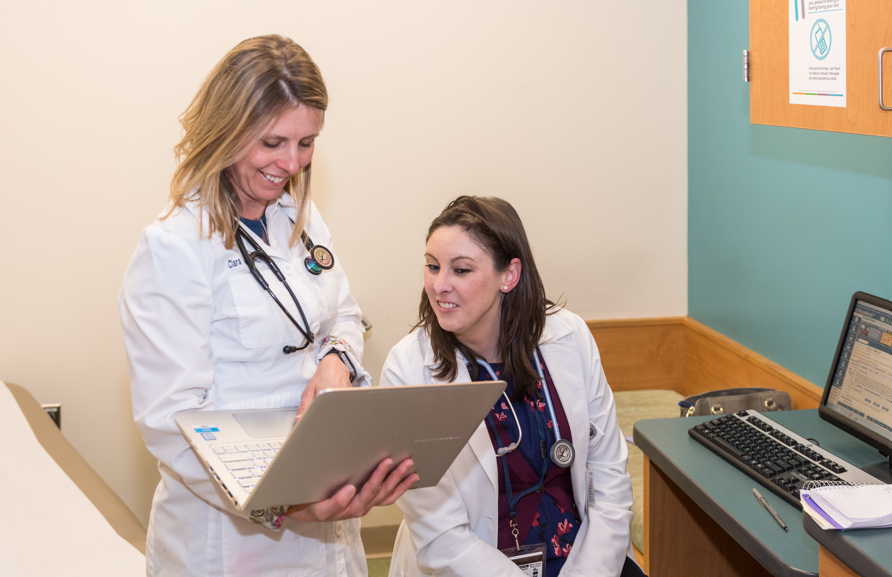
- Practice Site Benefits – Students bring energy, ideas and support to your daily workload and may assist with new programs or services.
- Recruitment Opportunities – Observe potential future employees in your setting, reducing hiring costs and orientation time.
- Continuing Education – Free or low-cost CEUs, including online resources and group discussions to strengthen teaching skills.
- Contact Hours for Recertification – Precepting may count toward national certification renewal; official documentation is provided.
- Adjunct Faculty Status – Dedicated preceptors may request adjunct status, which includes:
- U-M computing services and Google Suite access
- U-M Library system access, including Taubman Health Sciences Library
- U-M Mcard with merchant discounts and access to athletic/recreational facilities
- Faculty/staff rates at the U-M Golf Course
- Discounted admission to select home athletic events
- Staff rates for Towsley Conference Center educational offerings
The Value of Precepting
- Reinforce your own clinical knowledge through teaching.
- Strengthen the quality of health care in the region.
- Contribute directly to preparing advanced practice nurses who will lead in patient care.
Becoming a Preceptor
Interested in precepting with the U-M School of Nursing? Here’s what we look for:
- At least one year of full-time clinical practice
- Nursing license in good standing (U.S. state)
- Current certification (if serving as an APRN preceptor)
- No active performance or disciplinary actions
- A clinical site offering appropriate learning experiences for course objectives
Preceptors should be able to:
- Commit time and expertise
- Model professional practice, attitudes and behaviors
- Provide constructive feedback
- Structure learning experiences around student goals
- Encourage independence and reflection in student practice
Ready to get started? Please contact Jill McFarland, Director of Clinical Partnerships, at [email protected] or 734-764-0659 for more information.