
The Department of Health Behavior and Clinical Sciences (HBCS) at the University of Michigan School of Nursing is a vibrant interdisciplinary academic community focused on advancing health equity across the lifespan. Our work includes research, teaching, clinical practice and community engagement centered on understanding and influencing health behaviors, addressing social determinants of health and improving care delivery in diverse settings.
HBCS faculty, students and partners collaborate locally and globally to create evidence-based solutions that promote well-being, reduce disparities and enhance person-centered care.
Department Focus Areas
We are committed to advancing understanding of health behaviors and social determinants, creating and implementing innovative interventions for all care settings and promoting health for all through inclusive, community-engaged scholarship and research. Guided by a nursing perspective, HBCS focuses on: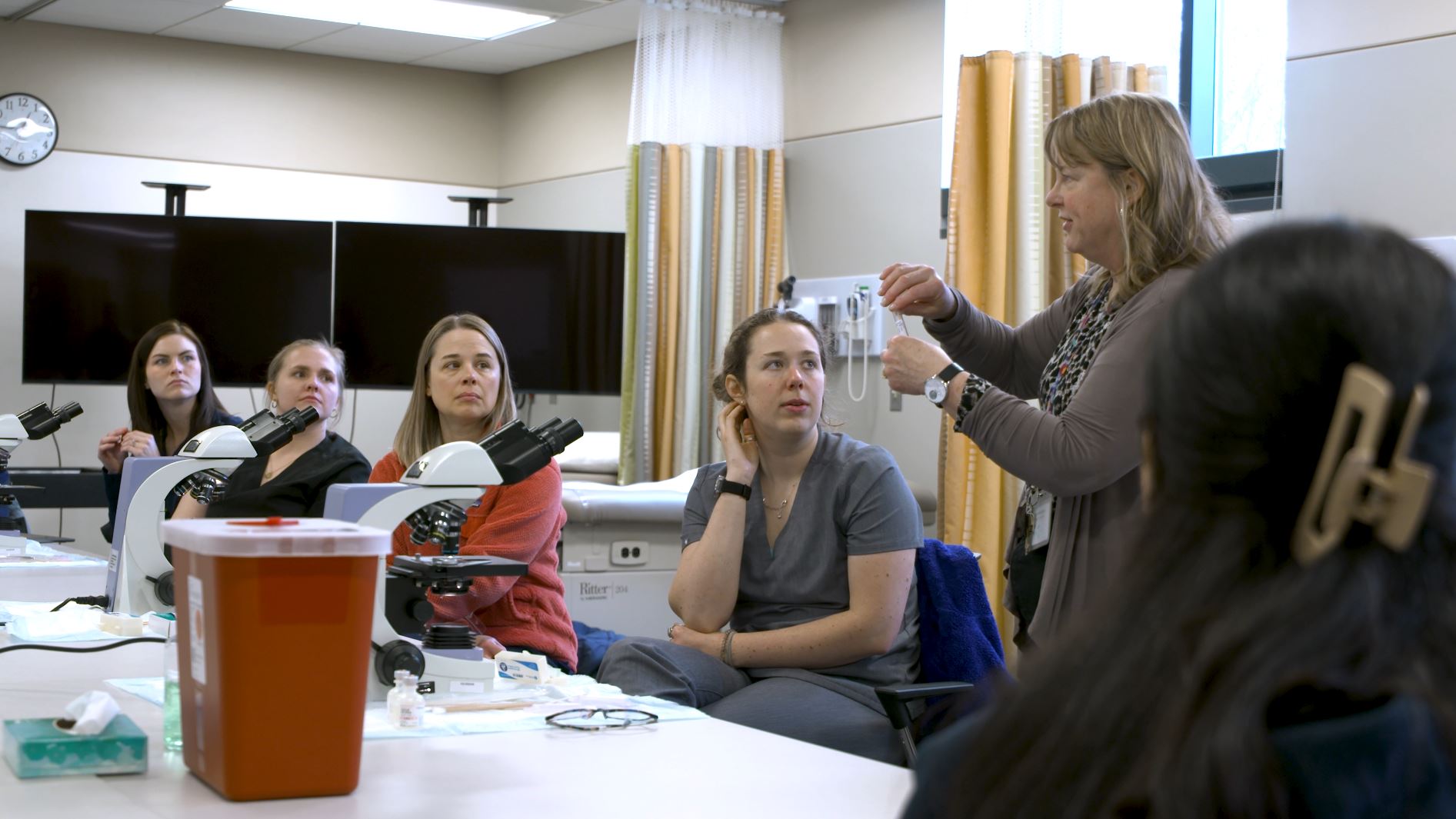
- Health behaviors across the lifespan — Studying behaviors that prevent disease or promote well-being from infancy through older adulthood.
- Factors shaping health outcomes — Exploring how behavioral, biological, cultural, structural and socioeconomic processes interact to influence health and inequities.
- Participatory research — Partnering with individuals and communities to design and test educational, behavioral and clinical interventions that are culturally relevant and effective.
- Priority health areas — Addressing chronic illness, women’s health, HIV and other infectious diseases and social challenges like violence and housing instability that deeply affect health.
Academic Programs
HBCS supports academic excellence at every level, from undergraduate through doctoral education. Our specialized Advanced Practice Registered Nurse (APRN) programs housed within the department include:
- Adult-Gerontology Acute Care Nurse Practitioner
- Adult-Gerontology Primary Care Nurse Practitioner
- Primary Care Pediatric Nurse Practitioner
- Primary Care Family Nurse Practitioner
- Nurse-Midwifery
- Nurse-Midwifery / Primary Care Family Nurse Practitioner
Community Teams Initiative
Launched in 2024, the Community Teams Initiative enhances connection and collaboration within HBCS through five key priorities:
- Foster collaboration across research, clinical and tenure-track roles
- Enhance mentorship opportunities for faculty, staff and students
- Support engagement in departmental initiatives
- Increase transparency in processes and communication
- Promote wellness across the department
Research & Centers
HBCS research is driven by a commitment to health equity and grounded in nursing science. Faculty lead studies focused on:
- Chronic illness prevention and management
- Women’s and reproductive health
- HIV/AIDS and STI prevention
- Mental health, violence and housing instability
Centers
HBCS faculty collaborate with interdisciplinary research centers, including:
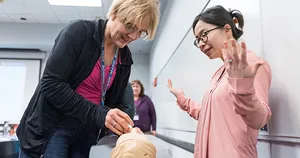
DASH Center (Center for the Study of Drugs, Alcohol, Smoking, and Health)
Advancing evidence-based approaches to substance use and behavioral health through interdisciplinary research.
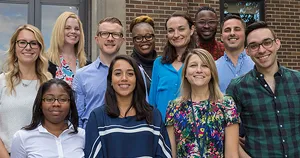
Center for Advancing Research in Identity, Sexuality & Equity (ARISE)
Investigating the intersections of sexuality, identity, and health to address disparities and promote inclusive care.
Faculty
HBCS is home to a diverse group of scholars, educators and practitioners dedicated to advancing research, policy and care delivery. Meet our faculty.